


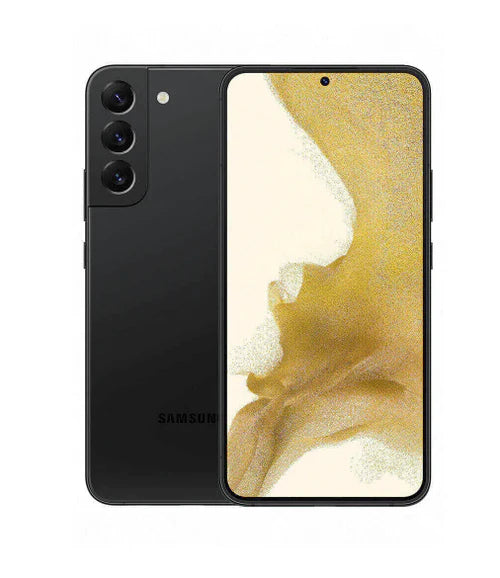
















Eco-friendly awareness keeps growing, and it's changing how people shop for refurbished gadgets, especially from trusted stores like Roobotech. As sustainability becomes more of a priority, refurbished electronics offer a genuinely greener option, cutting down on waste, saving materials, and supporting more responsible buying habits.
Roobotech plays a real part in this by offering high-quality refurbished devices that let customers get reliable tech while doing right by the environment. Choosing refurbished is both the practical choice and the planet-friendly one.
What Refurbished Devices Mean for the Environment
Refurbished devices give products a genuine second life instead of ending up as waste. Each unit is carefully restored and tested to perform like new, so buyers get reliable tech while supporting a more sustainable approach to consumption. Choosing refurbished items is a small but real commitment to using resources more mindfully.
Refurbishing also pushes the industry toward a circular economy, where products stay in use and get maintained rather than tossed. Every refurbished purchase is a small vote for a more sustainable tech industry overall.
Here's how choosing refurbished smartphones and tablets from Roobotech actually helps the environment.
Environmental Benefits of Choosing Refurbished Gadgets
Choosing refurbished isn't just about saving money, it genuinely cuts your environmental footprint. Giving devices a second life helps conserve natural resources and keeps the circular economy moving.
Minimizing E-Waste
Every device that gets refurbished and reused is one less source of toxins leaching into landfill. Old phones and laptops contain materials like lead, mercury, and lithium that cause real harm when they're dumped rather than processed properly, so keeping devices in circulation longer directly reduces that risk. This extended use also slows down landfill accumulation and eases the overall burden on waste management systems, which are already stretched thin in most cities. Responsible disposal at the end of a device's life, through certified e-waste programs rather than the regular bin, adds to that benefit even further.
Preserving Natural Resources
Reusing components from existing electronics cuts down on the raw materials, metals, minerals, plastics, that would otherwise need to be extracted and processed. A single smartphone contains dozens of different materials, some of them rare earth elements that require significant land disturbance and energy to mine in the first place. That reduction in mining and manufacturing translates directly into less environmental damage, from habitat disruption to water contamination near extraction sites. Good refurbishment practices make the most of what's already been produced instead of drawing on new resources, effectively treating existing devices as a resource pool rather than disposable products.
Cutting Carbon Footprint
Skipping the energy-intensive process of manufacturing a brand-new device means real savings in emissions. Most of a device's total carbon footprint actually comes from manufacturing rather than everyday use, so avoiding that step has an outsized impact compared to, say, just using a phone more efficiently. Refurbished electronics simply require far less production energy, which adds up to a meaningfully lower carbon footprint across the industry when multiplied across thousands of units. Efficient refurbishing processes, streamlined testing, targeted repairs instead of full rebuilds, push that impact even lower.
Prolonging Device Lifespan
Refurbishment stretches out how long a device stays useful, which means fewer replacements over time. A phone that might otherwise get discarded after a couple of years can go on to serve a second or even third owner once it's been properly restored, effectively doubling or tripling its useful life. Fewer replacements means less resource use and less environmental strain tied to producing new units to fill the gap. Longer usage cycles, in other words, are genuinely better for the planet, and better for anyone's wallet too.
Promoting a Circular Economy
Refurbishing phones keeps products and materials in continuous use rather than letting them go to waste after a single life cycle. That's the core idea behind a circular economy: instead of the traditional take-make-dispose model, devices get repaired, resold, and kept in active use for as long as possible. Less waste, better use of what already exists. Every refurbished device that re-enters the market strengthens that cycle and reduces pressure on the linear system that dominates most electronics manufacturing today.
Fostering Sustainable Consumption
Choosing refurbished over new nudges people toward more thoughtful purchasing overall. Instead of upgrading on a fixed schedule just because a new model launched, buyers start weighing what they actually need against what's already working fine. It cuts down on unnecessary production and aligns everyday tech habits with genuinely eco-friendly practices. The more this becomes normal, the more it shifts consumer behaviour long-term, and the more pressure it puts on manufacturers to build devices that last rather than ones designed to be replaced quickly.
How Are Consumers Involved in E-Waste Management?
Consumers play a real part in managing e-waste, not just manufacturers. Disposing of old electronics properly and choosing refurbished over new both make a measurable difference.
Consumer Choices Affect E-Waste
Every decision to buy refurbished or hold off on an upgrade directly affects how much e-waste gets generated. Thoughtful purchasing reduces unnecessary production and conserves resources, and picking energy-efficient, durable devices adds to that effect.
Responsible Disposal and Recycling Tips
Returning old devices to certified recycling centres keeps them out of landfill. Donating or selling electronics extends their usable life and ensures hazardous materials get handled safely. Following local recycling guidelines makes sure e-waste actually gets processed the right way.
Supporting Sustainable Brands and Refurbished Products
Backing brands that prioritise sustainability and choosing refurbished when you can push the wider market toward more eco-friendly practices. It's a practical way to support the circular economy without drastically changing how you shop.
Conclusion
Choosing a refurbished gadget over a brand-new one is a practical decision that genuinely benefits the environment. It cuts waste, conserves resources, lowers emissions, and supports more sustainable consumption overall. You get a quality device without adding to the pile of unnecessary manufacturing and e-waste.
FAQs
What is the environmental impact of choosing refurbished over brand new?
Choosing refurbished extends the life of electronics and supports the circular economy. It's a way to make eco-conscious choices without giving up on quality.
How do refurbished devices affect the environment?
They reduce the need for constant new manufacturing by keeping existing products in use, making more efficient use of the resources already invested in them.
Are refurbished electronics eco-friendly?
Yes. They support more sustainable consumption by making efficient use of existing resources rather than demanding new ones.
Why should I choose refurbished devices over new ones?
It supports a more sustainable lifestyle, encourages resource efficiency, and reflects a more mindful approach to buying tech.
Can buying refurbished really make a difference for the planet?
Yes. Every refurbished purchase supports more responsible consumption and helps build a culture of more mindful tech use over time.