





There is no single fixed lifespan for an iPhone. How long one lasts depends on which question is actually being asked: how long the battery holds a useful charge, how long Apple keeps releasing the current version of iOS for that model, whether older security updates stay available once that stops, whether the apps you rely on still work, and how long the hardware keeps working without a repair. These are separate questions with separate answers, and most of the confusion around iPhone lifespan comes from treating them as one.
This guide looks at each of them for the current iOS 27 generation, so you can work out which one applies to your situation.
What Determines How Long an iPhone Lasts
An iPhone's overall usable life depends on several separate things: the battery's condition, whether it still gets the current major iOS version, whether older security updates remain available once it does not, the physical condition of the hardware, and what you personally need from the phone. A phone can be fine in one of these areas and well past its useful point in another.
iPhone Battery Health and Service Life
A lithium-ion battery wears with use. Apple states that iPhone 14 and earlier models are designed to retain 80% of their original capacity at 500 complete charge cycles under ideal conditions, and that iPhone 15 and later models are designed to retain 80% at 1,000 complete charge cycles under ideal conditions. The higher cycle count on iPhone 15 and later is a higher design target for reaching that same 80% benchmark. It is not a claim that the battery lasts twice as long in everyday use.
Apple's in-device guidance does not name a fixed percentage for when to replace a battery. iPhone shows a message that the battery's health is significantly degraded and recommends service once wear reaches that point, without stating an exact number. Separately, Apple's AppleCare+ terms include their own specific threshold: Apple states it will replace the battery at no extra charge under AppleCare+ if capacity drops below 80%. That 80% figure is an AppleCare+ coverage term, not a general statement that every battery below 80% needs replacing, and it is separate from the 500/1,000 cycle design targets above, which describe how the battery is built rather than when Apple will service it.
For the steps to check your iPhone's maximum capacity and peak performance capability, see our guide on how to check iPhone battery health.
Current Software Support: What iOS 27 Compatibility Actually Means
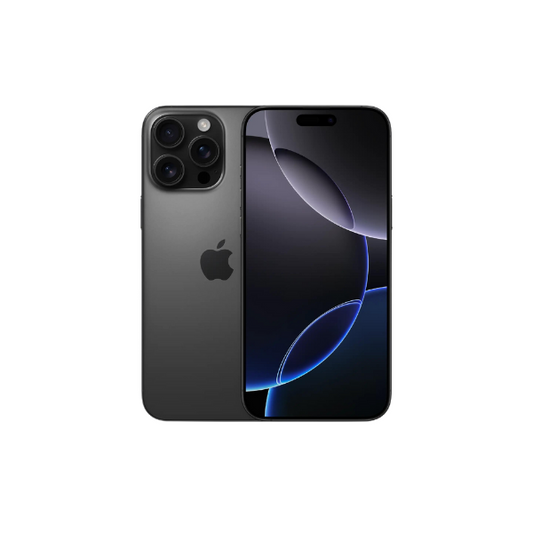
Apple currently lists iOS 27 as its current major iOS release. Apple states that iOS 27 is compatible with iPhone 11 and later, including iPhone SE (2nd generation) and newer SE models. That means an iPhone 11, now several years old, is still eligible for the newest major iOS version, while earlier models such as iPhone XS and iPhone XR are not.
Losing current major iOS compatibility is not the same as losing all support. Apple's own security release documentation shows it continuing to issue security updates for older models on their own older iOS branches. iPhone XS, XS Max and XR, for example, have continued receiving security updates on the iOS 18 branch, separate from the current iOS 27 branch used by newer models. An iPhone can stop receiving the newest major iOS version while still receiving security fixes relevant to it, so losing current major compatibility does not mean the phone becomes unusable or unsupported overnight.
Three checks matter more than any single lifespan figure when working out where a specific iPhone stands:
Does the exact model support the current major iOS release. Apple's compatibility list is the source for this, and it changes with each annual release.
Is Apple still issuing security updates for whichever iOS branch that model is on, if it no longer qualifies for the current major version.
Are the apps you actually rely on still compatible. Some apps require a newer iOS version than a phone's last available update, even if the phone itself still works normally.
Apple does not publish a guaranteed number of years of software support for a given model. Historically, some iPhone models have continued receiving the current major iOS release for many years after launch. The iPhone 11 launched in 2019 and remains compatible with iOS 27 in 2026. That pattern is useful context, but it is not a stated commitment from Apple and is not guaranteed to repeat at the same length for future models.
Vintage and Obsolete: A Separate Hardware Policy
Apple's vintage and obsolete classifications are a separate policy from software support, and they apply to hardware service and parts rather than iOS updates. Apple defines a product as vintage once it stopped distributing that product for sale more than 5 and less than 7 years ago, and as obsolete once that gap passes 7 years. This affects whether Apple and its authorised providers can still source parts and offer certain repairs. It does not determine whether a device keeps receiving software updates.
Software support and vintage or obsolete status are decided separately. A vintage or even obsolete iPhone is not automatically a phone that has stopped receiving any updates, and a phone still eligible for Apple service is not automatically one with years of major iOS updates still ahead of it. Check each separately for the specific model in question.
Physical Wear
Over time, an iPhone may develop wear or faults involving components such as the battery, display, charging port, buttons or cameras. Which issue shows up first depends on how the phone is used, any accidents, the environment it is used in, and its repair history. There is no fixed order in which these parts wear out.
Water and Dust Resistance
Apple states that splash, water and dust resistance are not permanent conditions and that resistance can decrease with normal wear. If a phone has been repaired or opened at any point, ask the repairer or seller what work was done to restore sealing, rather than assuming the original water-resistance performance is unchanged.
How Long Australians Actually Keep Their iPhones
This is a different question from how long an iPhone technically remains usable. Vodafone's Australian trade-in data indicates iPhone upgrades commonly happen around three to four years after purchase. CHOICE, the Australian consumer organisation, lists smartphone life expectancy at around four and a half years. These figures describe ownership and upgrade behaviour, not a technical point at which a given iPhone stops working. Trade-in behaviour tells us when people tend to replace their phones, not when the hardware itself becomes unusable, and the two are often different.
Signs an iPhone May Be Reaching the End of Its Useful Life
A few things, especially together, suggest a phone may be close to the end of its useful life for a given owner: battery health has dropped enough that it needs charging multiple times during normal use, the phone no longer supports the current major iOS release and some apps are starting to require a newer version than it can run, physical damage is affecting how the phone functions rather than just how it looks, or performance has slowed noticeably on everyday tasks after ruling out storage being nearly full.
None of these on their own automatically means replacement is the right call. What matters is how they combine with the condition and support status of that specific phone.
Repair or Replace
Repair value depends on several things at once, not on a fixed dollar figure or a simple rule: the exact model, the cost of the repair, the overall condition of the rest of the hardware, whether the phone still gets current software and security support, whether parts and service are still available for it, the owner's storage and performance needs, and the cost of a replacement.
A battery or screen repair can extend a phone's useful life when the rest of the device is in good condition and still suits how it is used, but that is not automatic. The same repair on a phone with several other ageing parts, declining software support or limited parts availability may be a weaker use of money than putting that cost toward a different phone instead. Apple's parts and service availability for a given model, covered under its vintage and obsolete policy above, is one practical factor to check, but it is only one input, not a stand-in for the whole decision.
Refurbished iPhones as an Option
Buying refurbished changes when you acquire the phone, but it does not reset the model's age, its battery history or Apple's software-support timeline for that model. A refurbished iPhone may still have substantial useful life remaining when the model has appropriate current software support, the battery is in suitable condition and the hardware is healthy, the same factors that apply to any iPhone.
If you are weighing up whether a refurbished iPhone is the right choice, our guide on whether refurbished phones are a good buy looks at that decision in more detail. You can compare current refurbished iPhone models and condition grades in Roobotech's iPhone range.
FAQs
How long do iPhones usually last?
There is no fixed lifespan. Owner upgrade behaviour, battery health, hardware condition and software or security support are separate factors, and each needs to be checked for the specific iPhone in question rather than assumed from an average.
When should I replace my iPhone's battery instead of the whole phone?
If the battery is the main issue and the rest of the phone is in good condition, still supports current software, and suits your needs, a battery replacement can be a reasonable option. If several parts are ageing or software support is limited, a battery replacement alone may not be worth it.
Is it worth repairing an older iPhone or better to replace it?
It depends on the repair cost, the phone's overall condition, its current software and security support, parts availability, and the cost of a comparable replacement. There is no single answer that applies to every case.
Does buying refurbished mean a shorter lifespan?
Not necessarily. A refurbished iPhone's remaining lifespan depends on the specific model, its current software support, and its battery and hardware condition, the same factors that apply to any iPhone, not on the fact that it was previously owned.