





Battery life is usually the first worry buyers raise about a refurbished smartphone. It makes sense. A used battery has a history you can't see, and that uncertainty around past charging habits and screen time makes performance hard to predict from the outside.
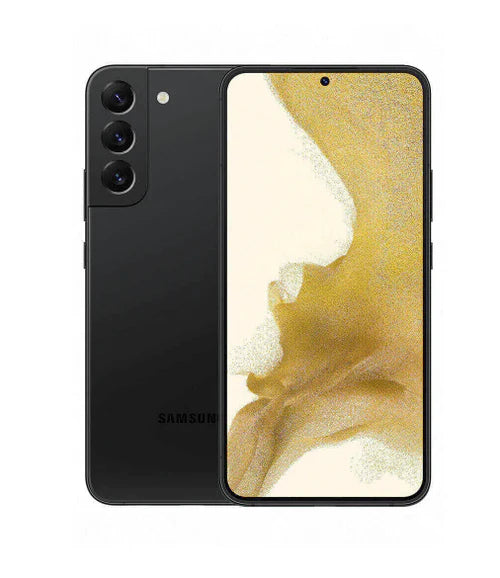
The Samsung Galaxy S21 tends to hold up better than that worry suggests. Its processor is efficient, its software is well optimised, and it supports fast charging that keeps downtime short. Bought from a seller who actually checks battery health before listing the device, an S21 can comfortably carry most people through a full day.
What to expect from a refurbished Galaxy S21 battery?
A well sourced refurbished Galaxy S21 performs close to new. With moderate use, all day battery life is realistic rather than optimistic marketing.
Reputable sellers back this up with verified battery health reports and quality checks before the phone ships, plus warranty coverage afterward. That combination matters more than the battery percentage number alone, since it means someone actually tested the phone rather than just wiping it and boxing it up.
How does the refurbished S21 perform in real world usage
Day to day, the S21 handles social media, streaming, and browsing without noticeable strain. Battery drain during these tasks sits close to what a new unit would show, assuming the refurbishment was done properly.
Gaming and video playback stay smooth too. Part of that comes from the phone's adaptive refresh rate and background app management, which quietly reduce power draw without the user having to manage anything manually.
What screen on time can you expect?
Most users land somewhere around five to six hours of screen on time with normal use. Heavier users, especially those gaming or streaming for long stretches, may need a top up by mid afternoon, though the phone still handles multitasking without a sudden drop off.
A few habits stretch that further. Adaptive brightness, trimming background app activity, and power saving mode for the last stretch of the day all help. Even with continuous video or social browsing, the battery curve stays fairly predictable rather than falling off a cliff.
Does the Galaxy S21 support fast and wireless charging?
The S21 charges at 25W wired, and also supports wireless charging and reverse wireless charging for topping up earbuds or a watch. A 0 to 50% charge takes about 30 minutes, and a full charge lands under 90 minutes.
Adaptive charging and temperature control work in the background during these charges, which helps preserve battery health over time rather than just charging as fast as possible every time.
What affects battery life in a refurbished S21
A handful of factors shape how long the battery actually lasts day to day.
- Usage patterns matter most. Heavy gaming and constant multitasking drain the battery faster than casual browsing, and staying consistent with lighter habits pays off over weeks, not just a single day.
- Screen brightness is the next biggest factor. Manual high brightness burns through charge quickly, while adaptive brightness adjusts to ambient light and quietly saves power without dimming the screen when you actually need visibility.
- Background apps are an easy one to overlook. Apps that keep refreshing in the background drain the battery even when you're not using them, so closing what you don't need or disabling background refresh for non essential apps makes a real difference.
- Charging habits shape long term battery health more than daily performance. Keeping the phone at 100% for extended periods, or relying on fast charging constantly, wears down capacity faster over time. Adaptive charging helps offset this.
- Temperature plays a bigger role than most people expect. Leaving a phone in direct sun or charging it somewhere hot degrades the battery faster than almost any usage habit. Keeping the device in moderate conditions protects it.
- Software and firmware updates round this out. Regular updates bring power management improvements and fix bugs that would otherwise cause unnecessary drain, so staying current is one of the simplest ways to protect battery life.
Samsung Galaxy S21 specifications
| Spec | Details |
|---|---|
| Chipset | Exynos 2100, 5nm process |
| CPU | Octa core: 1x Cortex X1, 3x Cortex A78, 4x Cortex A55 |
| Display | 6.2 inch Dynamic AMOLED 2X, 120Hz, HDR10+ |
| Resolution | 1080 x 2400, 20:9 aspect ratio |
| Display protection | Corning Gorilla Glass Victus |
| Rear cameras | 12MP wide, 64MP telephoto with OIS, 12MP ultra wide |
| Front camera | 10MP |
| Build | Gorilla Glass Victus front, plastic back, aluminium frame |
| Connectivity | 5G |
The Exynos 2100 chipset is the main reason the S21 balances performance and efficiency as well as it does. The Cortex X1 core handles demanding tasks while the efficiency cores manage background work, which is part of why the battery curve stays predictable rather than spiking during everyday use.
The camera system deserves a mention too. The 64MP telephoto sensor with optical image stabilisation gives it sharper zoom shots than most phones in this price range manage.
How the refurbished S21 compares to newer phones
Against a lot of current mid range phones, a well refurbished S21 holds its own on battery life, largely thanks to mature, well optimised software and an efficient chipset. It is not the newest hardware on the market, but the battery experience does not feel like a downgrade the way the age of the phone might suggest.
A few other Samsung models are worth considering if battery life is the priority: the Galaxy S20 FE, Galaxy Note 20, Galaxy A72, Galaxy S21 Ultra, and Galaxy Note 20 Ultra all perform similarly well in day to day use.
Ways to improve battery life on a refurbished S21
A few habits go a long way toward keeping the battery healthy and the phone usable throughout the day.
- Adaptive brightness is worth leaving on by default. It adjusts to ambient light automatically, which saves more power over a full day than most people expect from a single setting.
- Trimming background app activity helps too. Closing apps you're not using and limiting background refresh for the ones you rarely open keeps the phone running smoothly without quietly draining power in the background.
- Power saving mode is worth turning on earlier than most people do, particularly once the battery drops below 30%. It limits energy heavy processes while keeping essential functions running.
- Temperature care matters as much as any software setting. Avoiding direct sun, hot cars, and charging the phone somewhere warm protects long term battery health more than any single optimisation.
Conclusion
A refurbished S21 from a seller who actually tests battery health before listing it gives you a full day of moderate use, fast charging when you need it, and a chipset that keeps power draw predictable rather than erratic. The battery is not the compromise people assume it will be when they see the word refurbished.
The habits that matter most after purchase are simple ones. Watch screen brightness, keep an eye on which apps run in the background, and avoid leaving the phone somewhere hot. None of that takes real effort, and together they do more for long term battery health than any single setting on its own.
Frequently asked questions
Does a refurbished Galaxy S21 have a new battery?
Not always, though many sellers replace batteries that fall below a certain health threshold before the phone is listed. Ask the seller directly what battery health the specific unit was tested at.
How long does the battery last on a refurbished S21?
Most users get five to six hours of screen on time with moderate daily use, and a full day of battery life overall depending on how heavily the phone is used.
Is 25W fast charging fast enough for daily use?
Yes. A 0 to 50% charge takes about 30 minutes and a full charge lands under 90 minutes, which is enough to top up during a short break rather than needing to charge overnight every time.
Does wireless charging drain the battery faster?
No, though wireless charging is generally slower and slightly less efficient than wired charging. It does not damage the battery when used normally.
Can you improve battery health on a refurbished phone over time?
Yes. Adaptive brightness, limiting background app refresh, avoiding heat exposure, and keeping software updated all help preserve battery capacity for longer.