





Many people hesitate to buy refurbished phones because they assume these devices do not receive software updates like new ones. This concern creates uncertainty, especially when updates affect security, stability, app support, and everyday performance.
That is why it is important to look at how update policies truly work and whether refurbished phones stay aligned with the latest improvements from major brands. Roobotech ensures its refurbished phones are updated and ready for everyday use, giving buyers confidence and clarity.
What Is the Software Update Process for Refurbished Phones?
Refurbished phones rely on the update policy of the original manufacturer, not the seller. This means the support timeline depends on the device model and brand. Apple, Samsung, Google, and other leading brands release regular OS and security updates on a fixed schedule, and refurbished units generally follow the same update cycle. Buyers can therefore enjoy the same updates as new phones, ensuring their devices remain secure and functional. Additionally, this approach helps maintain app compatibility and overall performance over time.
Software Update Policies of Top Smartphone Brands
Many buyers worry that refurbished phones miss out on updates, but understanding how different brands handle software can provide clarity.
Apple iPhone Refurbished Devices
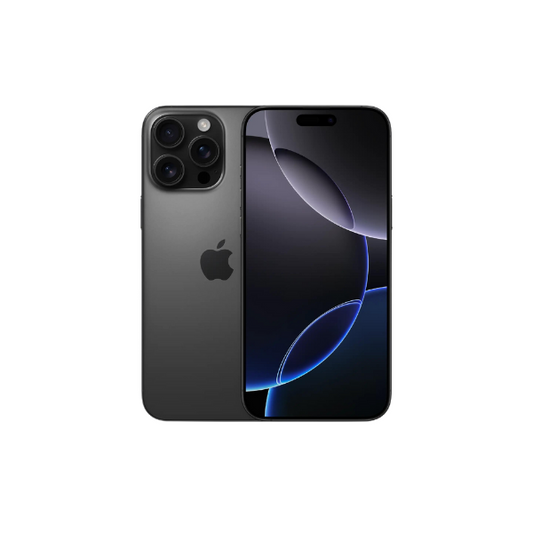
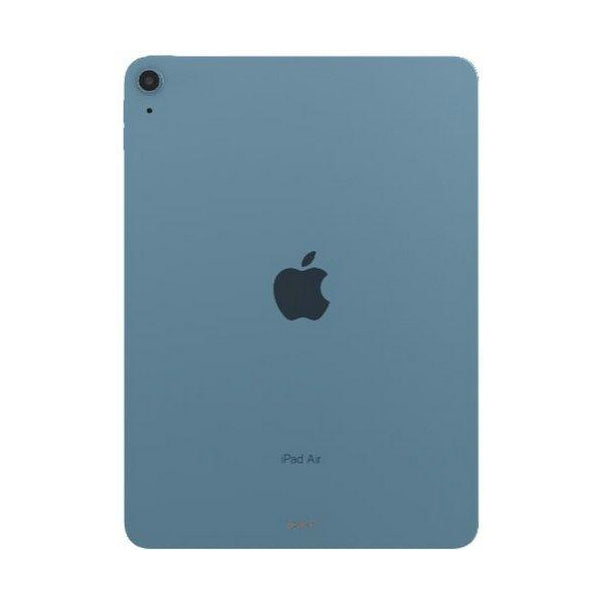
Apple maintains one of the longest software support windows in the industry. Refurbished iPhones receive the same updates as new units as long as the model remains within Apple’s official support period.
- Older models eventually stop receiving major versions, but security patches may continue. This ensures that even older refurbished iPhones maintain a level of security and functionality, allowing users to continue using them safely.
- Features depending on hardware might vary. Some advanced functions available on newer models may not work on older refurbished devices, but essential performance and usability remain intact.
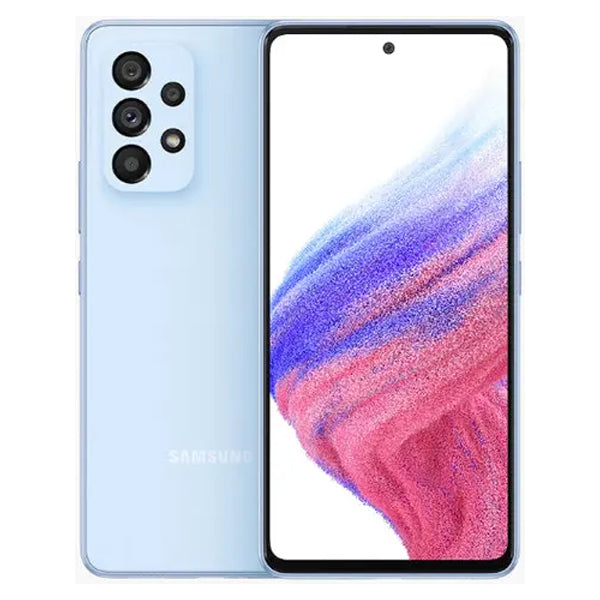
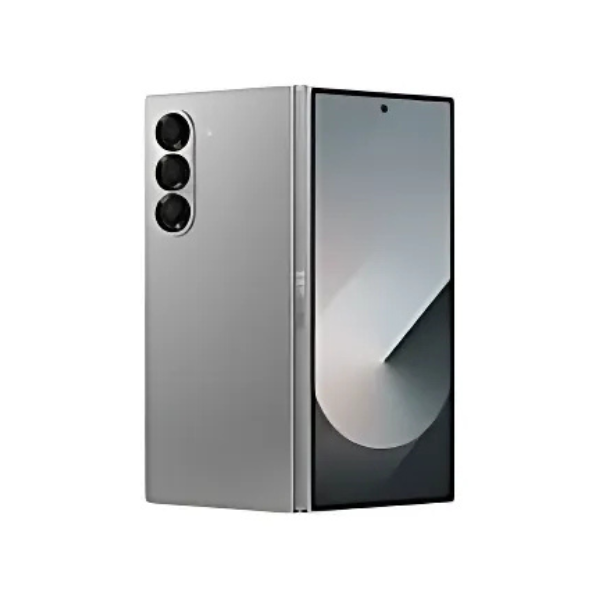
Samsung Refurbished Phones
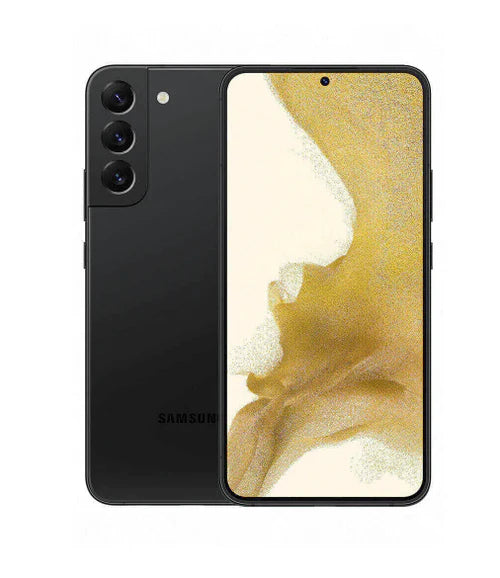
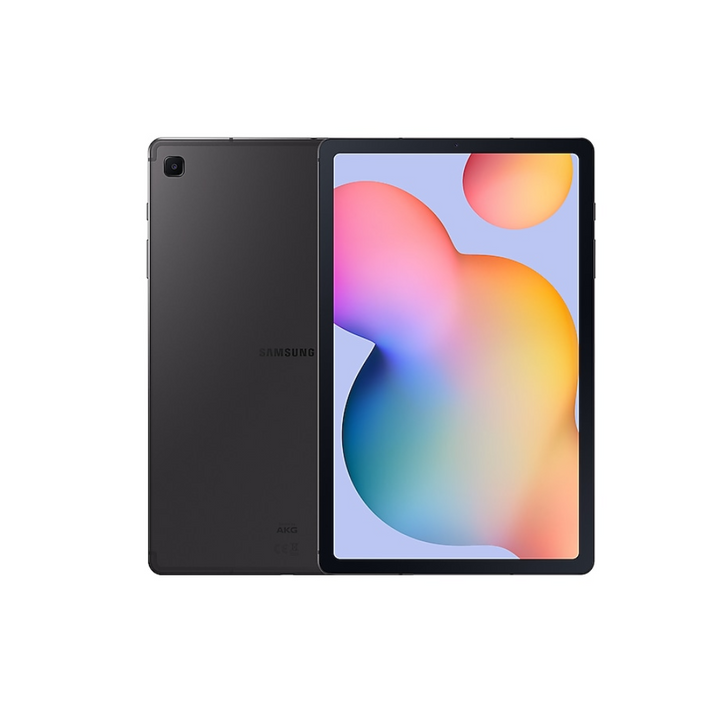
Samsung delivers monthly or quarterly updates depending on the model series. Many users worry that mid-range devices may miss out on some features, but understanding Samsung's update approach can clarify expectations.
- Galaxy S and Z series receive longer update cycles. These flagship devices typically get consistent monthly security patches and regular OS upgrades, ensuring longevity and optimal performance.
- Mid‑range devices may get fewer major OS upgrades over time. However, they still receive necessary security patches and performance improvements, maintaining reliability and usability for everyday tasks.
- Samsung also provides One UI enhancements and feature updates for eligible models, which keep even refurbished phones feeling modern and functional.
Google Pixel Refurbished Phones
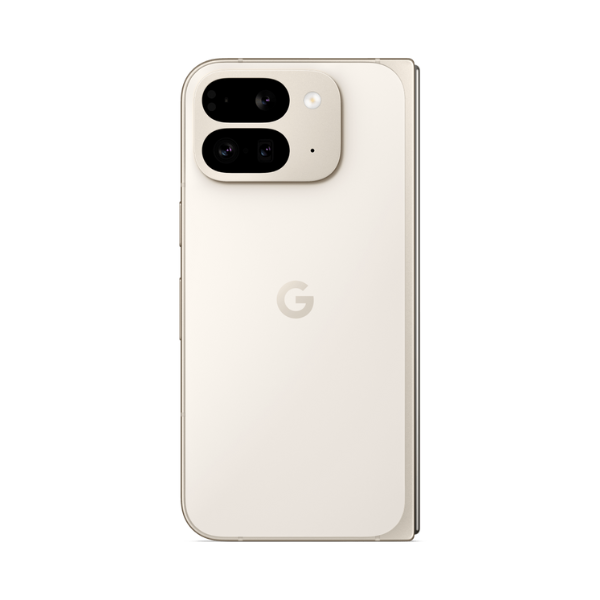
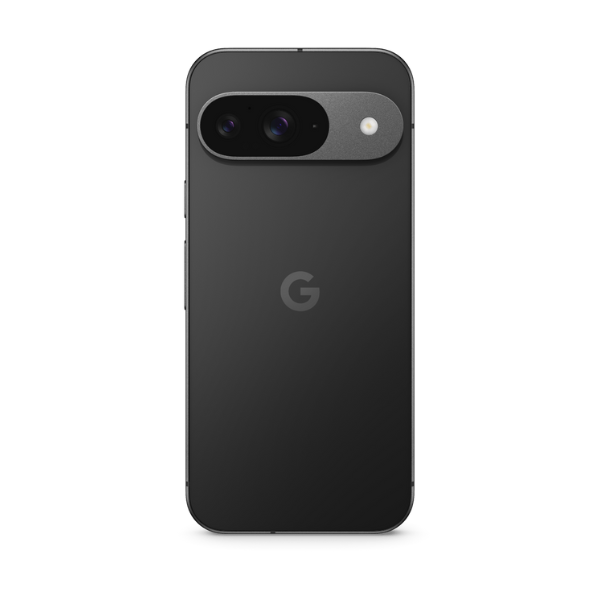
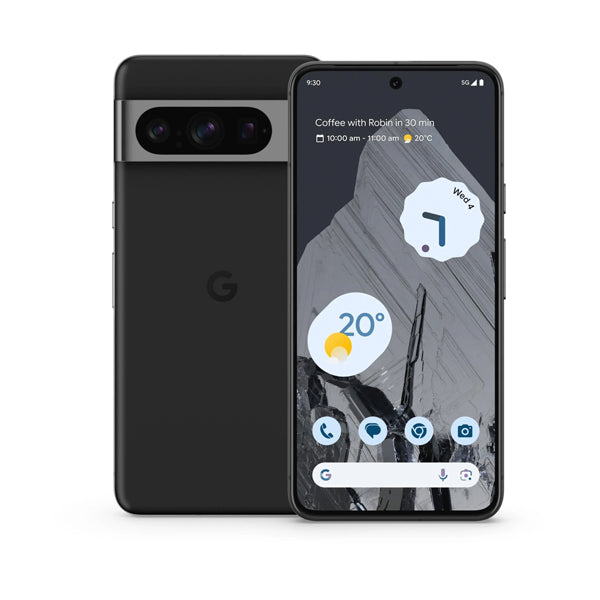
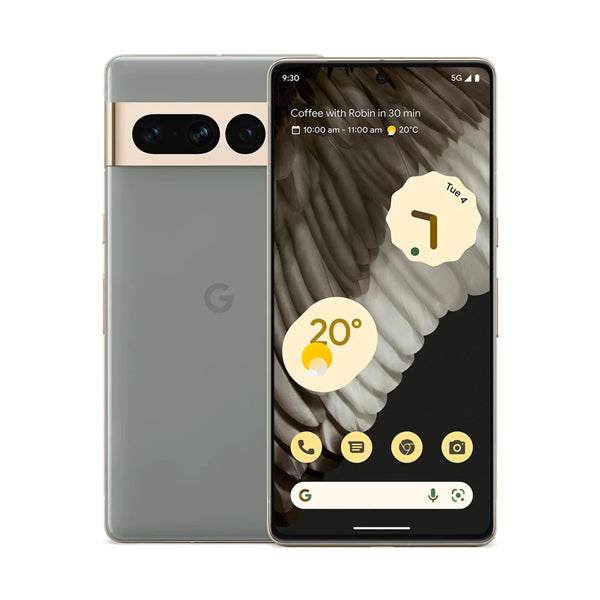
Google Pixels follow a fixed update guarantee from their original launch year. Many buyers worry that refurbished Pixels may lag, but these phones receive support just like new devices.
- Refurbished Pixels get full updates within the guaranteed window. This ensures users have access to the latest features and security improvements for the supported period.
- Security patches remain consistent until support ends. Regular updates keep the device safe from vulnerabilities and maintain overall system reliability.
- Additional optimisations and performance tweaks are also applied during updates, which enhance usability and help refurbished Pixels run easily over time.
Oppo Refurbished Phones
Oppo refurbished phones follow the manufacturer’s software update policy, ensuring ongoing access to security patches and system improvements. Many buyers worry about missing updates, but these devices are tested and restored to perform like new.
- Refurbished Oppo phones receive regular OS and security updates within the supported period, keeping devices secure and reliable.
- Main features and app compatibility are maintained, allowing easy daily use and performance.
- Additional optimisations and enhancements from Oppo updates help refurbished phones stay current with system improvements and user experience.
Differences Between Refurbished and New Phones Updates
When it comes to software updates, refurbished phones and new phones can differ in several key ways:
Timing of Updates: New phones typically receive software updates immediately after release. Refurbished phones may experience delays, especially if the device was restored from an older stock or previously inactive model. These delays can sometimes mean missing early access to new features.
Frequency of Updates: New devices usually get regular updates for the entire support period promised by the manufacturer. Refurbished devices may receive fewer updates depending on their age and remaining support window. This can affect long-term functionality and compatibility with newer apps.
Version Availability: Some features or updates may be limited on refurbished phones if the device’s hardware is slightly older or if it has been restored with a previous operating system version. Certain advanced features may therefore be unavailable compared to brand-new models.
Security Patches: While refurbished phones often still get security updates, they may not always align exactly with the timing of new phone releases, which can create a small gap in protection. Users should ensure their refurbished device is regularly checked for the latest patches.
Manufacturer Support: Refurbished devices that are officially certified by brands like Apple or Samsung are more likely to receive updates comparable to new phones, whereas third-party refurbished phones may not have full access. Choosing certified devices ensures longer-term support and reliability.
Limitations of Buying Older Refurbished Models
Refurbished devices only receive updates when the manufacturer still supports the model.
- If you choose a phone nearing the end of its cycle, updates will slow or stop sooner. This means that certain new apps or features may not work as intended, and your device could start to feel outdated compared to newer models.
- App compatibility can shrink on outdated systems. Older operating systems may not support the latest app versions, leading to reduced functionality, limited features, and potential crashes or performance issues.
- Security risks increase once patching ends. Without ongoing security updates, devices become more vulnerable to malware, hacking attempts, and data breaches, putting personal information at risk.
- Performance optimisation may decline over time. New system enhancements and bug fixes will no longer be applied, which can affect battery efficiency, processing speed, and overall user experience.
- User experience can be compromised with limited feature support. Without the latest updates, refurbished phones may lack new functionalities that enhance convenience, accessibility, or integration with other devices and services.
How to Check if a Refurbished Phone Will Still Receive Updates?
Before checking details, follow these steps to ensure your refurbished phone will get the latest software updates.
- Visit the manufacturer’s official website and search for “software update support” for your specific phone model to check eligibility.
- Review the phone’s launch year, hardware generation, and current OS roadmap to understand which updates it can receive.
- Contact the seller or refurbisher directly to confirm the remaining support window and ensure the refurbished device is eligible for updates.
Conclusion
Refurbished phones receive the latest software updates as long as the original manufacturer still supports the model. Updates depend on brand policies and release schedules rather than the device being refurbished. Opting for a newer, certified refurbished phone ensures better security, reliable performance, and continued access to important features.
FAQ’s
Will a refurbished phone get the same updates as a new phone?
Yes, if the phone is certified and still supported by the manufacturer. Updates are delivered according to the brand's schedule, ensuring security and functionality. This ensures refurbished users can enjoy most of the new features available to new devices.
How can I check if my refurbished phone will receive updates?
You can visit the manufacturer’s website, check the support timeline for your specific model, and confirm with the seller to ensure update eligibility. Following these steps will give you confidence that your device remains current and secure.
Are security patches delayed on refurbished phones?
There may be slight timing differences, but certified refurbished phones receive all essential security patches within the manufacturer’s support window. Regular monitoring ensures the phone stays protected from vulnerabilities.
Do older refurbished models receive all new features?
Some advanced features may be limited due to older hardware, but essential updates, security patches, and performance improvements are maintained. This helps older models continue to operate efficiently and securely.
Should I buy refurbished phones from third-party sellers?
It’s recommended to choose certified refurbished phones from trusted sellers to guarantee update support, performance reliability, and ongoing security. Verified sellers assure that the device meets quality standards and receives proper updates.